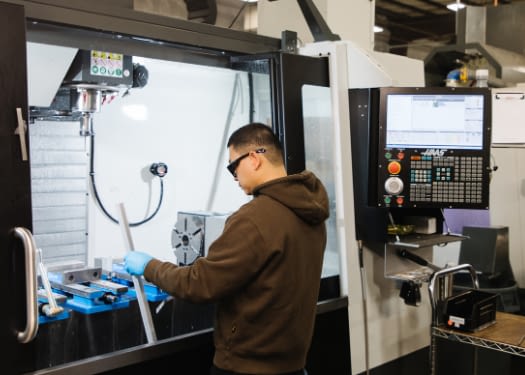
As manufacturing leaders begin 2026, a few stand out trends that are coming to light are navigating rapid technological advancement and persistent workforce challenges. While artificial intelligence (AI) continues to reshape operations, one of the defining trends for the coming year is the emphasis on people-first manufacturing, where technology supports human capability rather than replacing it. Here are our thoughts on it.
Human-Centered Manufacturing in the Age of AI
AI and advanced automation are expected to play a big role in manufacturing in 2026. According to Deloitte’s manufacturing industry outlook, manufacturers are increasing the use of AI and digital tools to improve different areas of work. These technologies are becoming embedded across production planning, supply chains, and asset management, highlighting a shift from experimentation to real operational impact.
At the same time, some emphasize that AI is not eliminating the need for human expertise. Forbes highlights that the next phase of manufacturing innovation focuses on human-machine collaboration, where AI will work alongside skilled workers instead of replacing them.
Our perspective aligns with this approach: AI can help with day-to-day work but, not replace the people doing it. Technology is most effective when it enhances the areas where human experience remains important.
The Workforce as a Competitive Advantage
Workforce strategy is emerging as one of the most important manufacturing trends for 2026. Despite advances in automation, manufacturers continue to face labor shortages and growing skills gaps. Deloitte notes that attracting, retaining, and building talent remains a top concern across the industry as digital transformation accelerates.
Rather than viewing technology as a substitute for labor, leading manufacturers are investing in workforce development to ensure employees can work effectively alongside new tools. This approach recognizes that modern manufacturing success depends on people who can adapt, learn, and apply technology in real-world environments.
Inclusive Hiring: Veterans and Individuals with Disabilities
Our response to workforce challenges is rooted in inclusive hiring and long-term talent development. Specifically, we focus on creating meaningful employment opportunities for Veterans and individuals with disabilities.

Veterans bring a certain way of thinking, technical skills, leadership, and adaptability, qualities that align greatly with manufacturing positions. Individuals with disabilities represent a highly capable and often underutilized talent pool, offering strong attention to detail, problem-solving abilities, and dedication when provided with accessible pathways and supportive workplaces.
Our people-first approach supports broader industry trends identified by both Deloitte and Forbes: manufacturers that invest in diverse, resilient workforces are better positioned to navigate disruption, adopt new technologies, and sustain long-term growth.
Balancing Technology Investment with Human Impact
Deloitte’s outlook underscores that manufacturers will continue increasing investment in AI, smart factory technologies, and digital infrastructure through 2026. However, the most successful organizations will be those that balance technology investment with equal focus on human impact.
That means designing systems that work with people, not around them. It includes building training and career pathways that keep pace with technology. We look at success as more than efficiency, focusing on workforce stability, safety, and engagement. Our teams have taken the time to invest in these areas.
Conclusion: A People-First Manufacturing Future
The manufacturing trends shaping 2026 are showing us that the future belongs to organizations that put people at the center of innovation. AI and automation will continue to grow, but they reach their full potential only when paired with skilled, empowered, and inclusive workforces.
By focusing on human-centered technology adoption and expanding opportunities for Veterans and individuals with disabilities, we believe manufacturers can build stronger operations today while preparing for a more resilient and equitable future.

Sources
- Deloitte: Manufacturing Industry Outlook
https://www.deloitte.com/us/en/insights/industry/manufacturing-industrial-products/manufacturing-industry-outlook.html - Forbes: The 6 Defining Manufacturing Trends of 2026
https://www.forbes.com/sites/bernardmarr/2025/11/12/6-defining-manufacturing-trends-of-2026/